
Enable conditions
Ford Drive Cycle for OBD Readiness: What It Is and How to Use It
A drive cycle is not a magic loop around the block that clears P1000 on every Ford. It is the operating window each monitor needs — and those windows vary by model year and powertrain.
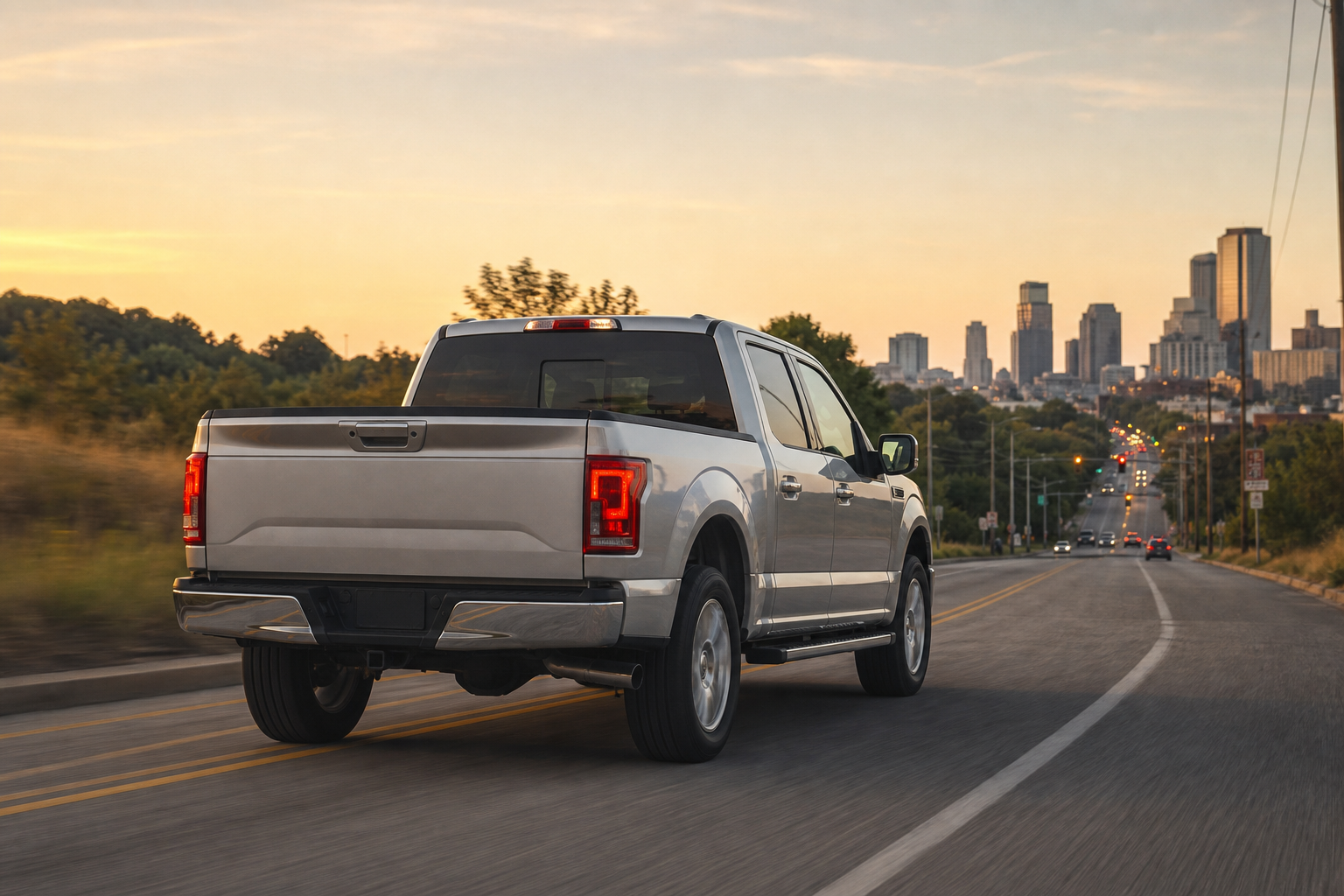
Why enable conditions matter
Monitors do not run just because the key is on. The PCM waits for conditions such as closed-loop fuel control, a temperature range, a time-since-start threshold, or a fuel-level band. If those are missed, the monitor stays incomplete even after “a lot of miles.”
No universal guaranteed sequence
Common elements you may see in sourced procedures
- Cold-start concepts (engine near ambient, not already heat-soaked)
- Idle or warm-up time before certain tests
- Steady cruising in a speed band
- Acceleration and deceleration events
- Fuel-level considerations for EVAP where applicable
- Ambient temperature windows
These are categories, not a recipe. Monitor-specific behavior still differs: catalyst tests are not EVAP tests.
Model and year variation
An F-150, Mustang, Escape, and Transit do not share one calibration. If a monitor will not complete, look up that vehicle’s service information instead of a forum sequence written for a different year.
How to watch status
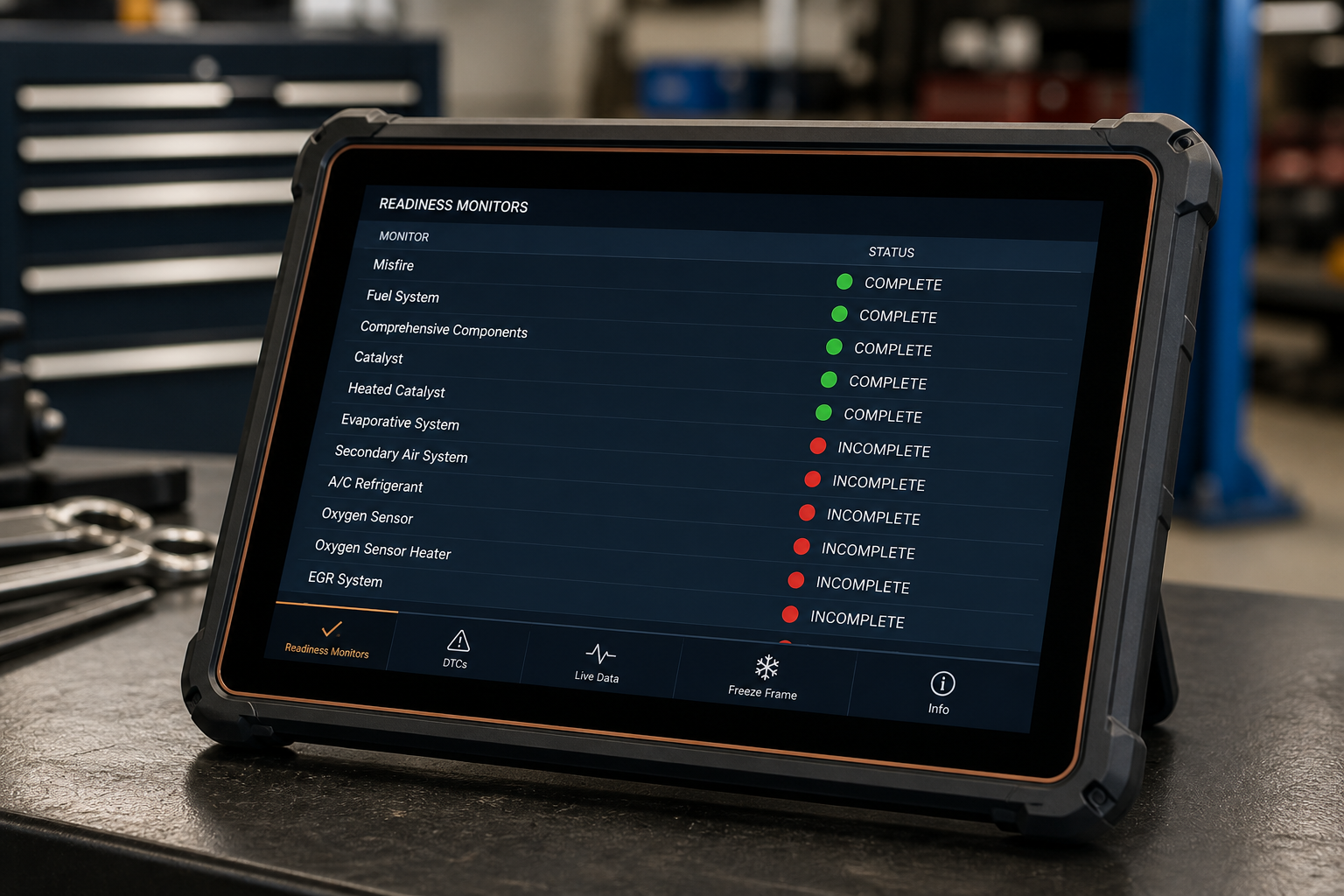
The scan tool is the scoreboard
Not as a universal rule. Some monitors complete sooner; EVAP or catalyst tests may need specific conditions that mileage alone does not provide.
This site provides general diagnostic information. Vehicle procedures vary by model, year, engine, and calibration. Follow Ford service information and local regulations, and use a qualified technician when diagnosis or repair exceeds your experience.